
Introduction
Furniture brands don’t sell in just one country anymore. A single online store often ships to ten different markets.
This creates a problem. Product photography that works for one country doesn’t always translate well to another.
This is why 3D furniture rendering services have become a global standard in 2026. One digital model can be adapted for every market.
No new photo shoots are needed for each region. The same base file just gets restyled.
This guide walks through why brands across the USA, China, Germany, Japan, UK, France, Canada, and Australia are all making the same shift.
We’ll also look at supporting tools, like 360° views and flexible 3D modeling, that make this global strategy work in practice.
Quick Answer
| 3D furniture rendering services let global e-commerce brands produce consistent, photorealistic product images for every market from a single digital model. This cuts photography costs, speeds up international launches, and keeps branding consistent across the USA, Europe, and Asia-Pacific regions. |
What Is 3D Furniture Rendering?
3D furniture rendering builds a digital model of a product. Artists then add textures, lighting, and materials to make it photorealistic.
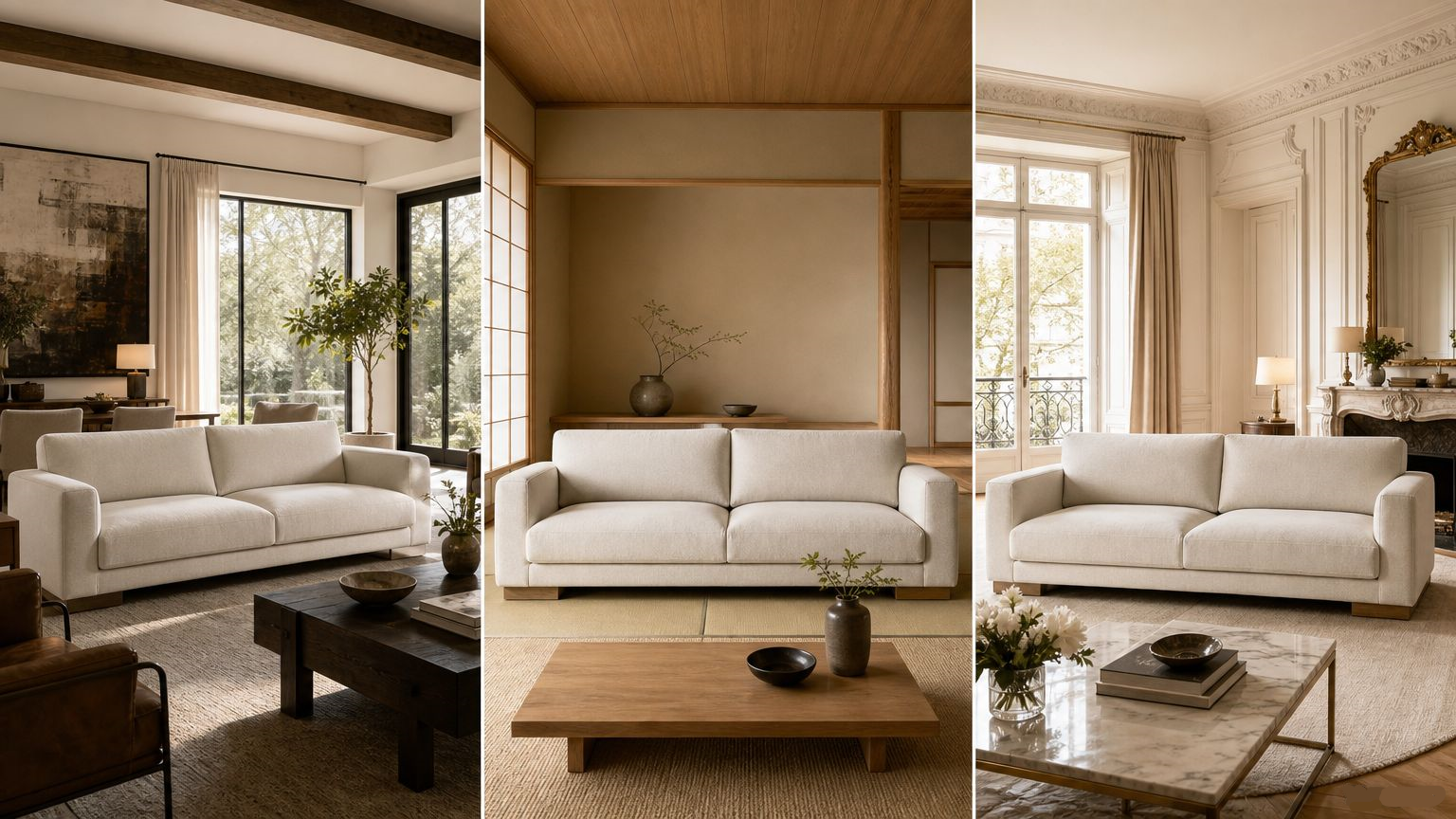
Once built, this model works for any market. Brands just adjust the room setting, language overlay, or lighting style per region.
This flexibility matters a lot. Traditional photography requires a brand new shoot for every regional campaign.
3D rendering skips that step entirely. One source file powers every market’s marketing needs.
The technical process starts with precise measurements. Every dimension gets modeled to match the real product exactly, since inaccuracies become obvious once customers zoom in.
From there, artists apply materials and lighting that match the actual product’s finish, whether that’s a matte wood grain or a glossy lacquer surface.
Cultural Design Preferences Across Markets
Color preferences vary noticeably by region. Neutral tones often perform better in Scandinavian-influenced markets, while bolder colors work well in other regions.
Room styling conventions differ too. A typical American living room layout looks different from a typical Japanese apartment layout, even for similar furniture pieces.
A skilled rendering team studies these differences before styling scenes for each market. Getting this wrong can make a product feel foreign or poorly suited to local tastes, even if the furniture itself is well made.
This cultural awareness is often overlooked by brands rendering assets in-house without market-specific design experience. It’s one reason many brands still choose specialized rendering partners over building everything internally.
Why Global Brands Need This in 2026
One model serves every regional storefront, cutting duplicate production costs
Faster international product launches without waiting on local photo shoots
Consistent brand look across every country’s marketing
Easy adaptation for regional preferences in color, style, or room setting
Brands expanding into new markets used to face weeks of delay waiting for local photography. 3D rendering removes that bottleneck almost entirely.
Currency and pricing display differ by market too, but the underlying product image stays the same. Only the surrounding page content needs localization, not the visual asset itself.
This separation between visual and text content makes international expansion noticeably faster. Marketing teams can launch a new region without waiting on a new photo shoot timeline.
Marketplace-Specific Considerations
Different regions favor different online marketplaces. Amazon dominates in the US and UK, while other platforms lead in China, Japan, and parts of Europe.
Each marketplace has its own image requirements. Some require pure white backgrounds for primary listing photos, while others allow full lifestyle scenes.
A flexible 3D asset library handles this easily. The same base render can be exported with a white background for marketplace compliance, or with a full room setting for a brand’s own website.
This adaptability saves significant back-and-forth with marketplace compliance teams, since assets can be reformatted quickly without re-shooting anything.
3D Furniture Rendering Services USA
The US furniture market is highly competitive online. Brands need visuals that stand out fast.
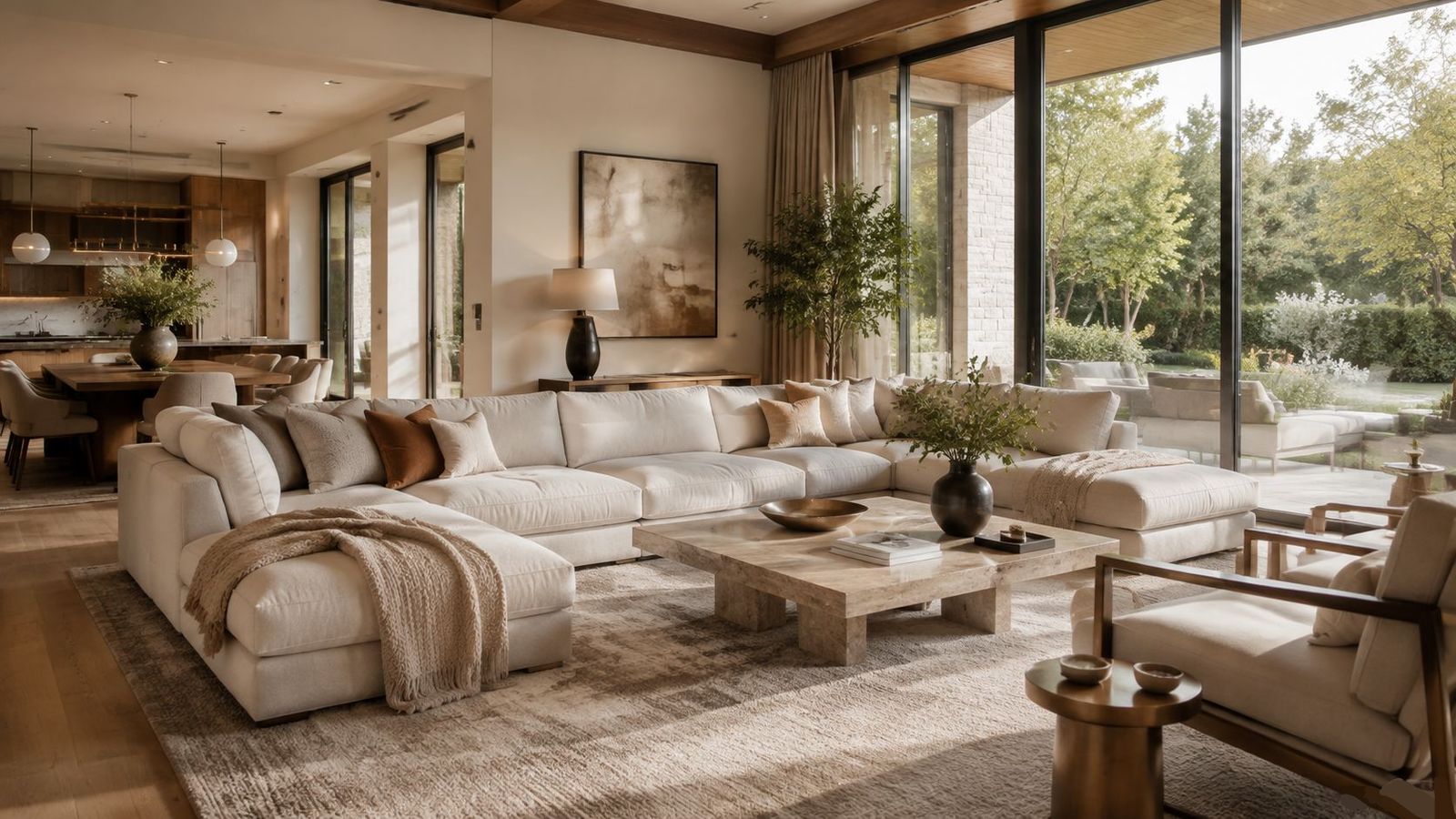
3D Furniture Rendering Services USA providers help brands achieve this with sharper, more consistent product visuals than basic photography can deliver.
US shoppers also expect interactive features. 360° views and AR previews are becoming standard on major retail sites.
Both features build directly on a strong 3D rendering foundation. Without an accurate base model, neither feature works well.
Seasonal sales events add extra pressure too. Black Friday and holiday sales demand quick catalog updates across hundreds of products at once.
3D rendering handles this volume far more easily than scheduling dozens of last-minute photo shoots.
3D Furniture Rendering Services China
China’s e-commerce platforms move incredibly fast. New product drops happen constantly, sometimes daily.
3D Furniture Rendering Services China support this pace well. Brands can generate new product visuals without shipping physical samples across the country first.
Livestream shopping is hugely popular in China. Hosts showcase products live, often for hours at a time.
3D assets fit this format naturally. They can be repurposed into short video clips and interactive product spins for livestream segments.
This saves significant production time compared to preparing physical samples for every livestream event.
3D Furniture Rendering Services Germany
German shoppers pay close attention to build quality. Material accuracy matters more here than in many other markets.
3D Furniture Rendering Services Germany providers focus heavily on precise material and texture representation to meet this expectation.
Wood grain, fabric weave, and metal finish all need to look accurate up close. German buyers often zoom in before purchasing.
Accurate dimensions matter too. German apartments often have specific layout constraints that furniture must fit precisely.
3D rendering makes it easy to show true-to-scale dimensions clearly, reducing size-related returns.
3D Furniture Rendering Services Japan
Japanese furniture shoppers often browse on mobile devices first. Fast loading matters enormously in this market.
3D Furniture Rendering Services Japan providers optimize renders for fast mobile loading without sacrificing visual quality.
Compact furniture is common in Japan, designed for smaller living spaces than Western markets typically use.
3D rendering makes it easy to show these pieces inside realistically sized rooms. This helps buyers judge scale accurately before ordering.
3D Furniture Rendering Services UK
UK shoppers increasingly expect the interactive shopping features common in the US market.
3D Furniture Rendering Services UK providers help both local and international brands meet this expectation.
This works without needing a full US-style production budget. A single 3D model covers most interactive feature needs.
Seasonal sales events and rapid catalog turnover are common in UK retail. Fast rendering turnaround becomes especially valuable here.
Brands that can update visuals quickly gain a real edge during high-traffic sales periods like Boxing Day.
3D Furniture Rendering Services France
French shoppers respond strongly to lifestyle-focused imagery. Furniture styled in realistic home settings performs especially well.
3D Furniture Rendering Services France providers specialize in this kind of styled scene rendering.
This approach suits France’s strong design and lifestyle branding culture. Presentation often matters as much as the product itself.
A well-styled 3D scene can convey brand personality just as effectively as a full editorial photo shoot, at a fraction of the cost.
3D Furniture Rendering Services Canada
Canadian furniture brands often sell across both English and French-speaking markets within the same country.
3D Furniture Rendering Services Canada providers support this by producing one visual asset usable across both regional storefronts.
Only the text overlay or language layer needs to change. The underlying render stays identical.
Shipping large furniture across Canada’s vast geography is expensive. Accurate 3D previews help reduce costly returns caused by size or style mismatches.
3D Furniture Rendering Services Australia
Australian e-commerce brands often import furniture internationally. Local photography of every product becomes impractical at scale.
3D Furniture Rendering Services Australia providers solve this by rendering products before physical stock even arrives in the country.
This lets Australian retailers list new products for pre-order well ahead of shipment arrival.
Capturing early sales interest this way helps brands gauge demand before committing to large inventory orders.
Supporting Services for Global Catalogs
Beyond static renders, global brands often need additional visualization tools to fully modernize their catalog.
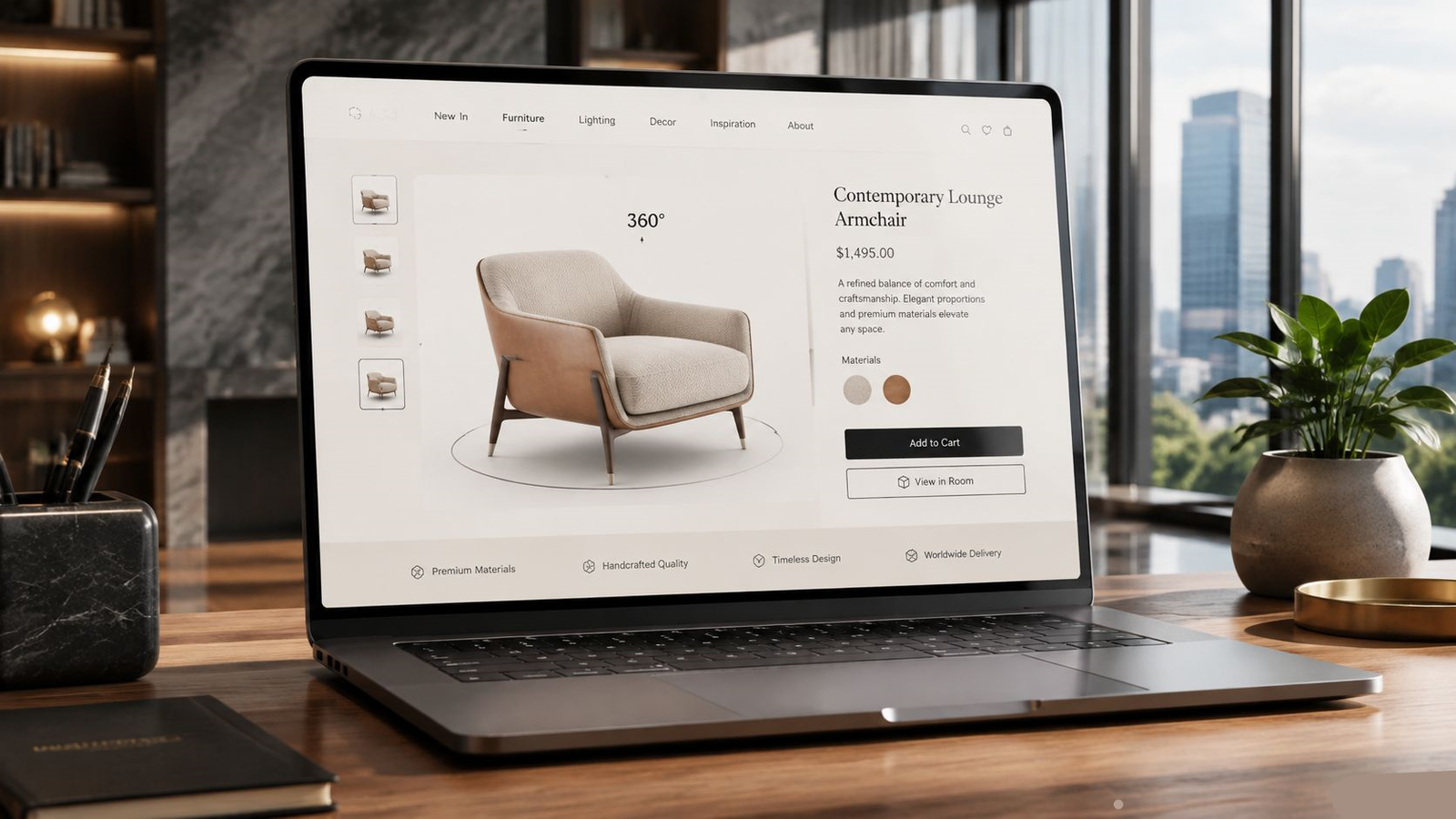
A 360 product view service lets shoppers rotate a product on screen.
This feature works identically well across every regional storefront. No extra localization effort is needed for the rotation itself.
For brands needing both marketing-quality images and lightweight AR-ready assets, low and high poly 3D modeling services provide both from a single base model.
This is especially useful for supporting AR features across different regional shopping apps, which often have different technical requirements.
Some markets, like China and the US, have embraced AR shopping faster than others. Having both asset types ready means brands can launch AR features whenever a market is ready, without rebuilding models from scratch.
Building One Global Asset Library
The smartest approach isn’t producing separate assets per country. It’s building one strong 3D model per product, then adapting outputs regionally.
A single base model can generate multiple looks. US-style lifestyle scenes, German-style precise product shots, and Japanese-style compact room settings can all come from the same source file.
This approach cuts costs significantly. Commissioning separate regional photography for every market a brand sells into adds up fast.
It also keeps brand consistency intact. The underlying product always looks accurate, no matter which regional variation is displayed.
Studios managing this kind of asset library typically organize files by product line, then by region, making future updates faster to locate and edit.
Common Mistakes When Going Global With 3D Rendering
Using identical room styling for every market, ignoring regional taste differences
Skipping mobile optimization for markets where mobile shopping dominates
Not planning for multiple languages in text overlays from the start
Choosing a single provider without cross-market experience
Brands that plan for regional variation from the start save money later. Retrofitting a US-only asset for other markets often costs more than building flexibility in from the beginning.
Language overlay planning deserves special attention. Adding French, German, or Japanese text after the fact can require reworking the entire composition, not just swapping words.
Currency symbols and pricing formats also vary by market. Some regions place the symbol before the number, others after, and decimal formatting differs too.
These small details rarely affect the 3D render itself, but they do affect how professional the overall page looks once everything is combined for a specific market.
Measuring Success Across Markets
Once your 3D assets launch across multiple regions, track a few key numbers to confirm the strategy is working.
- Conversion rate by country, before and after switching to 3D visuals
- Page load speed on mobile in each target market
- Return rate differences between regions using 3D renders versus older photography
Some markets respond faster than others. Mobile-first markets like Japan often show quicker engagement gains than desktop-heavy markets.
Give each region at least a month of data before drawing conclusions. Shopping patterns vary by season and local holidays, which can skew early results.
Frequently Asked Questions
What is 3D furniture rendering used for?
3D furniture rendering creates photorealistic product images without a physical photo shoot. It helps e-commerce brands market products across multiple countries efficiently, using one base file for every region.
Can one 3D model work for multiple countries?
Yes. A single base model can be adapted with different room settings, lighting styles, and text overlays for each regional market, without rebuilding the product itself.
Do different countries need different rendering styles?
Often yes. Markets like France favor lifestyle scenes, while Germany favors precise, detail-focused product shots. The base model stays the same, but styling adapts per region.
Is 3D rendering cheaper than international photography?
Yes, significantly. Shipping physical samples for photography in multiple countries is expensive, while a single 3D model can be reused across all target markets at a fraction of the cost.
Which markets benefit most from 3D furniture rendering?
Markets with high mobile shopping rates, fast product turnover, or import-heavy retail models, such as Japan, China, and Australia, see especially strong benefits from this approach.
Does 3D rendering support AR shopping features internationally?
Yes. Once a product has a 3D model, that same asset can power AR “view in your room” features across different countries’ shopping apps, with minimal extra work.
How long does it take to build a global 3D asset library?
A single product typically takes a few days to model and render for its first market. Adapting that same model for additional regions usually takes far less time than the original build.
Do I need a separate rendering provider for each country?
No. A single experienced provider with cross-market knowledge can typically handle styling variations for every region from one central asset library.
Full-Service Range Behind Global 3D Furniture Rendering
A single 3D Furniture Rendering Services partner can cover far more than one image style. Most global brands end up using a mix of formats across their catalog.
For clean, e-commerce-ready product listings, 3D Furniture Silo Rendering produces isolated product shots on plain backgrounds, ideal for marketplace compliance.
For marketing pages and social content, 3D Furniture Lifestyle Rendering places the same product inside a fully styled room scene, adapted per region as discussed earlier.
Beyond furniture specifically, 3D Product Rendering covers smaller accessories, decor, and fixtures that brands often sell alongside their main furniture lines.
For mobile shopping apps, Furniture & Product Modeling for AR builds lightweight, AR-ready versions of the same models, letting shoppers preview furniture in their own room.
The 360° Product View format, covered earlier, adds full interactive rotation to any product page.
For high-impact marketing campaigns, 3D Furniture & Product Animation turns the same base model into short video content, useful for social ads and product launch campaigns across every regional market.
Working with one studio like Blue Ribbon 3D across all of these formats keeps quality and styling consistent, rather than mixing results from several disconnected vendors.
Conclusion
Global e-commerce no longer waits for local photography. 3D furniture rendering services now power catalogs across the USA, China, Germany, Japan, UK, France, Canada, and Australia from a single source model.
Brands that build this flexibility into their asset strategy launch faster in new markets, and spend less doing it.
The brands winning internationally in 2026 aren’t necessarily the ones with the biggest photography budgets. They’re the ones who built one strong 3D foundation and adapted it intelligently across every market they entered.
Explore 3D Furniture Rendering’s global services to see how a single rendering partner can support your brand across every market you sell into.
Related posts

3D Furniture Rendering Services USA: 2026 Buyer’s Guide to Specs and Pricing
Introduction Buying 3D furniture rendering services USA should feel simple. Send a product. Receive p …

Furniture AR Modeling: How View-in-Room Cuts Returns (2026 Guide)
Introduction Furniture AR Modeling turns a product page into a fitting room for the home. A shopper t …